
A Practical Guide to Building a Reliable Home Camera System
Modern households increasingly rely on technology to strengthen everyday safety, and surveillance cameras now sit at the center of that effort. With a wide variety of options available, choosing the Best Security Cameras for Home requires a clear understanding of features, installation needs, and long-term performance. A carefully selected system not only helps deter unwanted activity but also creates a sense of control over one’s living environment. As smart technology continues to evolve, security cameras are becoming more intelligent, efficient, and user-friendly, making them an essential part of contemporary home protection strategies.
The Growing Importance of Home Surveillance
Home surveillance has transitioned from a luxury feature to a practical necessity for many homeowners. Increasing awareness about personal safety and property protection has driven demand for reliable monitoring systems. Security cameras offer continuous observation, allowing users to keep track of activities both inside and outside their homes. With remote access capabilities, individuals can monitor their property in real time using mobile devices. This constant connection ensures that homeowners remain informed and prepared, regardless of their location, ultimately enhancing both safety and peace of mind.
Types of Security Cameras Available Today
Indoor Monitoring Cameras
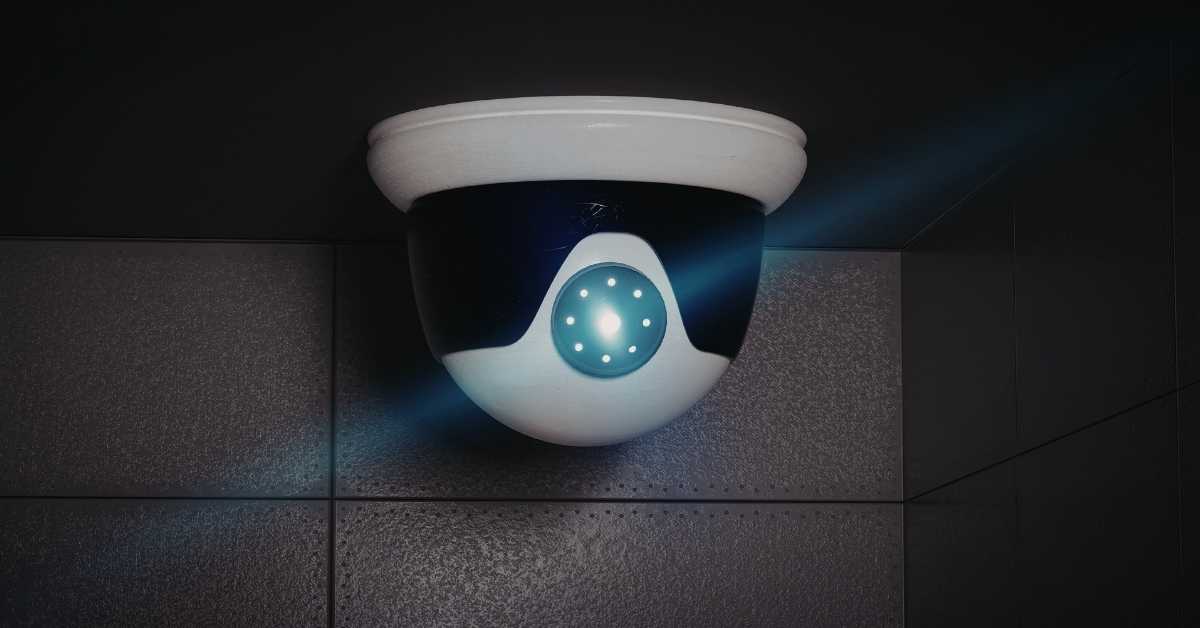
Indoor cameras are designed to observe internal spaces and provide detailed insights into daily activities within the home. These devices are compact, easy to install, and often come with features like motion alerts and two-way communication. They are particularly useful for monitoring children, elderly family members, or pets. Advanced models can differentiate between normal movement and unusual activity, ensuring accurate alerts and reducing unnecessary notifications.
Outdoor Surveillance Cameras
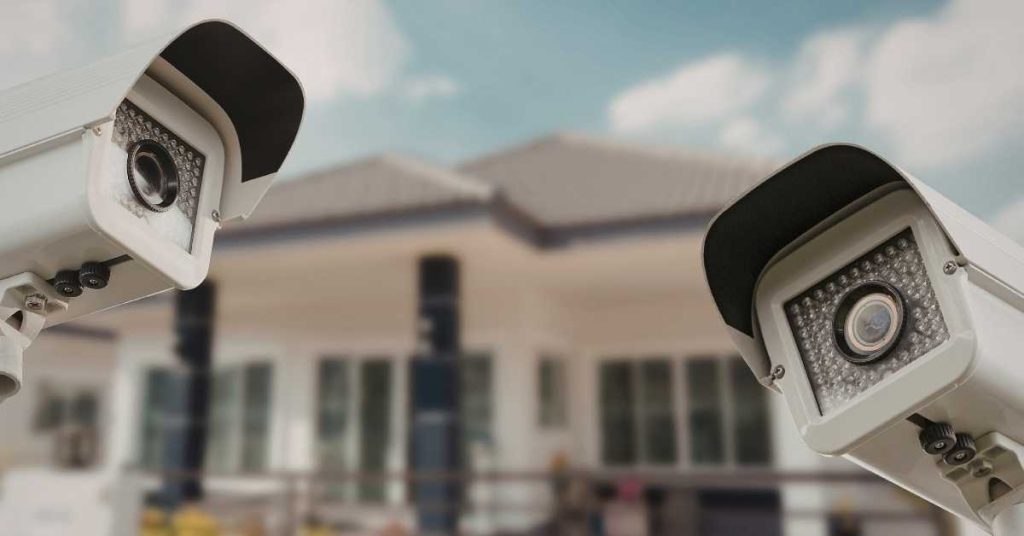
Outdoor cameras are built to handle environmental challenges while maintaining high-quality performance. They are equipped with weather-resistant materials and enhanced features such as night vision and wide-angle lenses. These cameras are strategically placed at entry points like doors, garages, and gardens to monitor potential threats. Their visibility alone often acts as a deterrent against unwanted activity, adding an extra layer of security.
Wired and Wireless Options
Wired cameras provide stable connections and consistent performance, making them suitable for long-term installations. However, they may require professional setup due to complex wiring. Wireless cameras, on the other hand, offer flexibility and ease of installation. They connect through Wi-Fi and can be relocated as needed. Choosing between these options depends on individual preferences, property layout, and technical requirements.
Essential Features to Look For
When selecting a security camera system, understanding key features is crucial. High-resolution video ensures clear footage, while motion detection minimizes unnecessary recordings. Night vision capabilities allow cameras to function effectively in low-light conditions. Storage options, including cloud and local storage, determine how footage is saved and accessed. Additionally, smart integration with other devices enhances usability. Evaluating these features helps homeowners choose a system that meets their specific security needs.
Video Quality and Clarity
Video quality significantly impacts the effectiveness of a surveillance system. Cameras with higher resolution provide sharper images, making it easier to identify individuals and objects. Modern cameras often support full high definition or even ultra-high definition recording. While higher resolution improves clarity, it also requires more storage space and bandwidth. Balancing these factors ensures optimal performance without compromising functionality.
Night Vision and Low-Light Performance
Nighttime surveillance is a critical aspect of home security, as many incidents occur after dark. Cameras equipped with infrared sensors can capture clear images even in complete darkness. Some advanced models offer color night vision, providing more detailed visuals compared to traditional monochrome footage. Reliable night vision ensures continuous monitoring regardless of lighting conditions, making it an essential feature for both indoor and outdoor cameras.
Storage Solutions and Data Management
Cloud-Based Storage
Cloud storage allows users to access recorded footage from anywhere, providing convenience and security. Data stored in the cloud remains safe even if the physical device is damaged or stolen. Subscription plans typically offer varying storage durations, allowing users to choose options that fit their needs.
Local Storage Options
Local storage involves saving footage on memory cards or external devices. This method eliminates recurring subscription fees and gives users complete control over their data. However, it may be vulnerable to physical damage or theft. Combining cloud and local storage can provide a balanced approach to data management.
Smart Integration and Automation
Modern security cameras often integrate seamlessly with smart home systems, enhancing overall functionality. Users can connect cameras with voice assistants, smart locks, and lighting systems to create a unified security network. Automation features allow cameras to trigger actions such as turning on lights when motion is detected. These capabilities not only improve security but also add convenience to daily life.
Installation and Placement Tips
Proper installation plays a crucial role in maximizing the effectiveness of security cameras. Cameras should be placed at key entry points and areas with high activity. Ensuring the correct angle and height improves coverage and reduces blind spots. Wireless systems offer easy setup, while wired systems may require professional assistance. A well-planned installation ensures optimal performance and long-term reliability.
Addressing Privacy and Security Concerns
While security cameras enhance safety, they also raise important privacy considerations. Users must ensure that cameras are positioned responsibly and do not intrude into private spaces. Informing family members and visitors about surveillance promotes transparency. Securing devices with strong passwords and regular updates helps prevent unauthorized access. Responsible usage ensures that security measures remain ethical and effective.
Budget Considerations and Value
Choosing the right security camera system involves balancing cost with features and performance. Budget-friendly options may lack advanced capabilities, while premium models offer enhanced reliability and functionality. Evaluating long-term value rather than just initial cost helps in making informed decisions. Investing in a quality system reduces the need for frequent replacements and ensures consistent performance over time.
Maintenance and System Longevity
Regular maintenance is essential for ensuring the longevity of security cameras. Cleaning lenses, checking connections, and updating software help maintain optimal performance. Monitoring system health allows users to identify and address issues early. Proper maintenance not only extends the lifespan of devices but also ensures continuous and reliable surveillance.
Comparing Leading Camera Brands
Different brands offer a variety of features and pricing options, making it important to compare products carefully. Some brands focus on affordability, while others prioritize advanced technology and premium quality. Reviewing specifications, customer feedback, and support services helps in selecting the right brand. A thorough comparison ensures that users invest in a system that meets their expectations.
Remote Monitoring Capabilities
Remote monitoring allows users to access live camera feeds from anywhere, providing real-time awareness of their property. Mobile applications enable users to receive alerts, view recordings, and control settings. This feature is particularly useful for frequent travelers or individuals with busy schedules. Remote access ensures continuous protection and enhances overall convenience.
Motion Detection and Alerts
Motion detection technology improves efficiency by recording only when activity is detected. Advanced systems can differentiate between human movement and other objects, reducing false alerts. Real-time notifications keep users informed of any unusual activity, enabling quick responses. This feature enhances the effectiveness of security cameras and ensures accurate monitoring.
Durability and Weather Resistance
Outdoor cameras must withstand various environmental conditions, including rain, heat, and dust. Weather-resistant designs ensure consistent performance regardless of external factors. Durable materials and protective casings enhance reliability and longevity. Choosing cameras with strong durability ratings ensures uninterrupted surveillance and reduces maintenance requirements.
Two-Way Audio Communication
Two-way audio adds an interactive element to security cameras, allowing users to communicate through the device. This feature is useful for greeting visitors, guiding delivery personnel, or deterring intruders. Clear audio quality enhances communication and improves overall functionality. Two-way audio provides both convenience and added security.
Power Options and Flexibility
Security cameras can be powered through batteries, wired connections, or solar energy. Battery-powered cameras offer flexibility and easy installation, while wired systems provide consistent power. Solar-powered options are environmentally friendly and reduce reliance on electricity. Selecting the right power source ensures reliable operation and aligns with user preferences.
Expanding Your Security System
A scalable security system allows users to add more cameras or features as their needs grow. This flexibility ensures long-term usability and cost-effectiveness. Planning for future expansion helps in building a comprehensive security network without replacing existing equipment. Scalability is an important consideration for homeowners looking to enhance their security over time.
Avoiding Common Mistakes
Many users make mistakes when selecting or installing security cameras, such as poor placement or ignoring essential features. Choosing cameras based solely on price often leads to dissatisfaction. Neglecting maintenance can also impact performance. Avoiding these common errors ensures that users get the most out of their investment and maintain effective security.
Legal and Ethical Considerations
Understanding local laws and regulations is essential when installing security cameras. Rules regarding surveillance, especially audio recording, vary by region. Ensuring compliance prevents legal complications and promotes responsible usage. Being aware of ethical considerations also helps maintain trust within the household and community.
Using Multiple Cameras for Better Coverage
Installing multiple cameras provides comprehensive coverage and eliminates blind spots. Combining indoor and outdoor cameras creates a layered security approach. Strategic placement ensures that all critical areas are monitored effectively. This setup enhances overall protection and provides a complete view of the property.
Evaluating Customer Feedback
Customer reviews offer valuable insights into the performance and reliability of security cameras. Analyzing user experiences helps identify strengths and weaknesses of different models. Genuine feedback provides practical perspectives that aid in decision-making. Considering reviews ensures better satisfaction with the chosen system.
Energy Efficiency and Sustainability
Energy-efficient cameras reduce power consumption while maintaining performance. Sustainable options, such as solar-powered devices, contribute to environmental conservation. Choosing energy-efficient systems lowers operational costs and supports eco-friendly practices. Sustainability is becoming an important factor in modern home security solutions.
Troubleshooting Common Problems
Security cameras may encounter issues such as connectivity problems or reduced video quality. Troubleshooting involves checking internet connections, updating firmware, and adjusting settings. Understanding common problems and their solutions ensures uninterrupted performance. Quick resolution enhances user experience and system reliability.
Exploring Advanced Innovations
Technological advancements continue to shape the future of home security systems. Features like facial recognition, intelligent alerts, and cloud analytics are becoming more common. These innovations improve accuracy and efficiency, offering smarter surveillance solutions. Staying informed about new developments helps users make better decisions.
Selecting the Best Security Cameras for Home
Choosing the Best Security Cameras for Home involves evaluating features, budget, and specific requirements. A well-selected system provides reliable protection and long-term value. Understanding different aspects of security cameras helps users make informed decisions that align with their needs and preferences.
Trusted Resources for Further Research
For additional insights and expert comparisons, exploring resources like the home surveillance camera guide can be highly beneficial. Access to reliable information ensures that users stay updated with industry trends and make well-informed choices. Knowledge plays a crucial role in building an effective and dependable home security system.